
Beautiful Trends in Dijon Limestone for 2025–2026
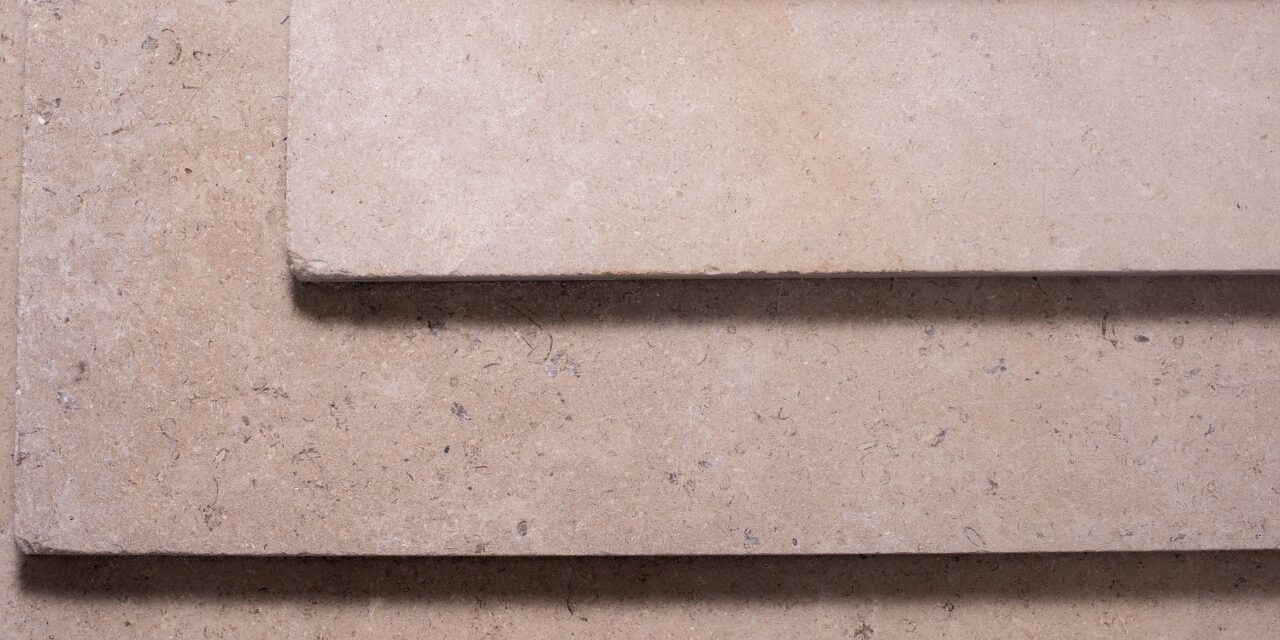
For the past years, Dijon limestone has become a go-to choice for architects, designers and homeowners. As we look ahead to the 2025-2026 period, this beautiful stone from Egypt is set to capture even more hearts. Its warm tones, unique fossils, and versatility make it a perfect fit for a variety of design styles.
Let’s take a closer look at the trends surrounding Dijon limestone in the upcoming years. We’ll explore its various sizes, finishes, and patterns, as well as the many ways it can be used. It’s easy to see why Dijon limestone is quickly becoming the go-to stone for both residential and commercial spaces.
Exploring Sizes to Fit for Every Project
Designers now prefer more adaptable sizes to satisfy the requirements of both expansive open areas and intimate spaces when working with Dijon limestone. Some of the most popular dimensions in the Dijon limestone spectrum are:
- Cobblestones with classic dimensions of 20 × 5 cm and 20 × 10 cm that evoke the timeless aesthetic of garden paths and courtyards.
- Paving of size 600 × Free Length tiles offering a natural, aged look that has been trending, larger tiles 900 × 600 mm and 600 × 600 mm are becoming popular too.
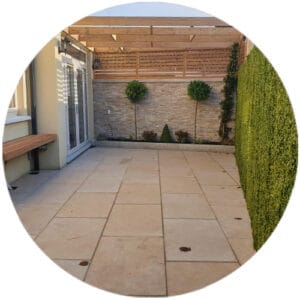
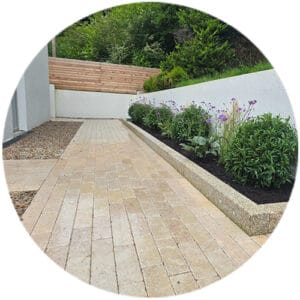

With so many styles available, it’s no wonder that both designers and homeowners feel a bit overwhelmed by the choices. Whether you have a cozy kitchen, a spacious outdoor space, or want to create a stunning entrance, there’s a Dijon limestone option that will perfectly meet your needs.
Finishes That Speak to Every Style
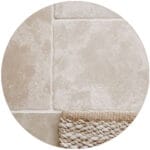
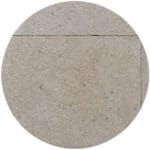
As for the finishes of Dijon limestone, it can be quite different and has a major impact on how it looks and feels. Well-known finishes that are ready to be popular in the UK for ’25-’26 are Honed, Tumbled, Acid-Washed, Brushed/Antiqued, and polished.
- Honed limestone presents a smooth, flat matte surface with perfectly sharp edges and is ideal for contemporary kitchens and bathrooms’ flooring, giving a look that’s modern and simple.
- Tumbled stone is great for rustic or traditional look, with its soft edges, light feel and exposed fossils adding the stone with a warm and inviting character. In addition to this, it’s a very popular option in the UK.
- Acid-washed brings out the natural patterns and fossils in the stone. It adds a rougher, used appearance that best fits vintage-style or industrial-style homes.
- Brushed or Antiqued finishes create a very soft, gently faded surface, like coming from the past. It can be described as resembling classic limestone flooring, and it looks absolutely stunning in traditional or rural settings.
Patterns to Enhance Designs: From Classic to Contemporary
Laying the tiles in patterns adds movement to the design and gives a more sophisticated look that’s beyond the standard tile when working with Dijon limestone.
Several modern patterns are gaining attraction, such as:
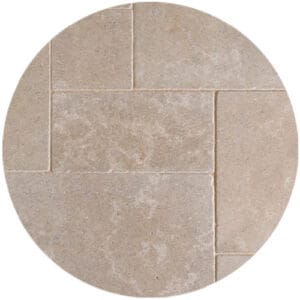
- The French Pattern, or Opus, uses different sizes like 600×400,400×400, 400×200 and 200×200 to create a timeless and balanced look, which is used for both indoor and outdoor floors.
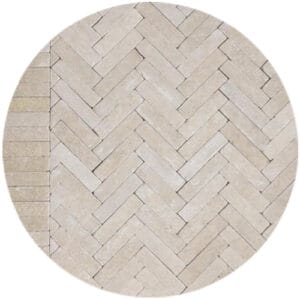
- The herringbone pattern takes small cobblestones, 200 × 50 mm, and sets them out in a zig-zagging design and producing a classic, elegant floor that has lots of life to it.
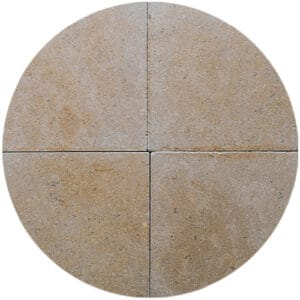
- Square, modular, and grid tiles such as 600×600 still go down well in modern, low-key spaces. The varied designs permit designers to effortlessly merge classic and modern styles.
- Rectangular staggered pattern, 600×900 or 600xfree lengths. This pattern involves arranging elements like bricks in a way that offsets them from each other, creating a visually appealing and dynamic look.
Maximizing Spaces: Indoor and Outdoor Integration
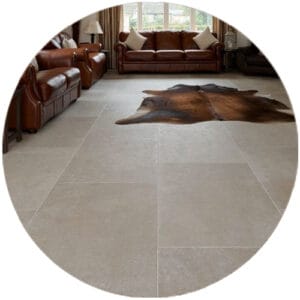
Dijon limestone has emerged as a preferred choice for architects and designers looking to create a seamless connection between indoor and outdoor spaces. This elegant stone enhances floors, walls, and focal points with its neutral tones and remarkable durability, making it a go-to option for areas where style and practicality must coexist.
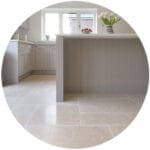
Its versatility allows Dijon limestone to fit harmoniously in living rooms, kitchens, and bathrooms, complementing a wide range of interior designs. The stone can be found in varying thicknesses, from 20 to 30 mm for outdoor use, enabling it to endure the elements and withstand heavy foot traffic. Designers often create a cohesive look by using the same or a similar stone for both indoor and outdoor applications.
For example, incorporating tumbled tiles inside and 30 mm pavers outside establishes a smooth visual transition between the two areas. Additionally, Dijon limestone pairs exceptionally well with underfloor heating, effectively warming spaces and enhancing the sense of connectedness in modern open-plan living environments.
Diverse Uses: Beyond the Basics
Looking ahead to 2025–2026, Dijon limestone is set to remain a firm favourite—and its popularity shows no sign of slowing down. In fact, it’s finding its way into even more applications as designers continue to explore its full potential.
- As a flooring material, Dijon limestone is hard to beat. It performs exceptionally well with underfloor heating and brings a sense of warmth and continuity to interior spaces.
- Its soft, natural appearance makes it a beautiful choice for pool edges, stair details, and parapets, where subtle elegance matters.
- Dijon limestone is also frequently used for balustrades, adding both strength and refined architectural definition to terraces and balconies.
- For outdoor areas, thicker pavers (20–30 mm) are ideal for patios, walkways, and garden paths, offering durability while standing up well to changing weather conditions.
- Indoors, honed and textured finishes are increasingly used on fireplaces, feature walls, and façades, adding depth, character, and a tactile quality to the space.
Thanks to its versatility, Dijon limestone can be used throughout an entire property for a cohesive look, or selectively within a single project to create contrast while maintaining harmony.
Durability, Maintenance & Sustainability
One of the key reasons designers and homeowners continue to choose Dijon limestone is its excellent durability combined with relatively low maintenance.
Sourced from Egypt, Dijon limestone is naturally dense and strong, making it well-suited for high-traffic areas in both residential and commercial settings. Although absorption levels can vary, the stone generally absorbs very little water and responds well to proper sealing.
Regular sealing is essential to protect the surface from staining and etching. Because limestone is sensitive to acids, it’s important to use pH-neutral cleaners specifically designed for natural stone, as standard household cleaners can cause damage over time.
From a sustainability perspective, limestone stands out as a time-tested and environmentally responsible material. Its long lifespan reduces the need for frequent replacement, and locally sourced or responsibly quarried Dijon limestone helps minimise transportation-related emissions while ensuring better quality control.
Colour Trends & Aesthetic Appeal
A major factor behind Dijon limestone’s popularity is its beautiful, understated colour palette.
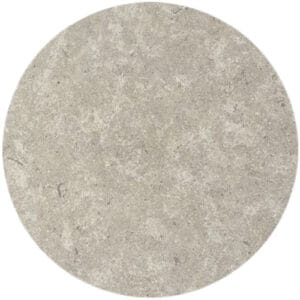
- Moving into 2025 and 2026, beige and champagne tones remain highly sought after. These soft shades create a calm, welcoming atmosphere and work effortlessly with both traditional and contemporary designs.
- Cooler, neutral grey-beige variations are also gaining traction, especially in minimalist interiors where a subtle, modern look is desired.
- Stones featuring calcite lines and fossil markings are increasingly appreciated for the depth and natural character they bring—organic details that turn a house into a home.
- Some manufacturers are now blending tones to create gently mottled, aged surfaces, rich in character and visual interest.
Designers are actively seeking materials that feel natural, earthy, and capable of ageing gracefully—and Dijon limestone ticks every box.
How to Specify Dijon Limestone for Projects
For best results, it’s important to choose the right specifications:
- 20 mm thickness is ideal for interior floors, while 30 mm is recommended for outdoor applications where extra strength is required.
- High-traffic and exterior areas benefit from textured finishes such as acid or tumbled, while interiors often suit honed or brushed finishes.
- French pattern or herringbone layouts can elevate a design, but it’s important to order additional amount to account for cuts and waste.
- Seal the stone immediately after installation and re-seal every two to five years, depending on usage. Always clean using pH-neutral products.
Whenever possible, specify certified or sustainably sourced Dijon limestone and work with suppliers committed to reducing waste and ensuring long-term performance.
Why Dijon Limestone Is an Ideal Choice
Dijon limestone has become a leading choice for new builds, renovations, and outdoor projects—and for good reason:
- Its neutral tones and fossil patterns make it incredibly versatile across design styles.
- Its density and strength make it ideal for flooring in both homes and commercial spaces.
- It supports seamless indoor–outdoor transitions, a key trend in modern architecture.
- Natural stone doesn’t trap dust, works well with underfloor heating, and contributes to healthier living environments.
- When responsibly sourced and maintained, Dijon limestone offers long-term sustainability and a reduced carbon footprint.
- Although it sits at a higher price point, its longevity and low maintenance mean excellent value over time.