
Granite vs quartz countertops is the classic kitchen worktop decision — natural stone versus engineered surface — and each has real strengths. EMG (Egyptian Marble & Granite) supplies natural Egyptian granite and this guide compares it fairly with quartz.
Get a Granite Countertop Quote from EMG
EMG’s full catalogue covers Egyptian marble, Egyptian granite and Egyptian limestone, shipped factory-direct from Cairo to projects across the globe.
Granite vs quartz: natural vs engineered
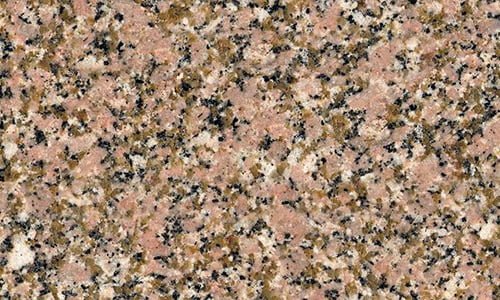
The core difference is origin. Granite is a 100% natural igneous stone, quarried and cut, so every slab is unique with genuine depth and patterning. Quartz countertops are engineered — roughly 90% ground quartz bound with resin and pigment — so they are uniform and come in consistent, sometimes marble-look, designs. That contrast — authentic natural character versus engineered consistency — drives most of the comparison and usually comes down to what you value more.
Durability and heat
Both are very hard and scratch-resistant. The key practical difference is heat: natural granite is highly heat-resistant and you can set a hot pan on it, while quartz’s resin binder can scorch or discolour with high heat, so trivets are recommended. Granite is slightly porous and needs occasional sealing; quartz is non-porous and never needs sealing. Both resist daily wear well in a busy kitchen.
Looks and uniqueness
Granite offers natural, one-of-a-kind patterning — speckles, movement and depth that engineered surfaces imitate but rarely match up close. Quartz offers perfect consistency and a huge palette, including convincing marble looks, ideal if you want a precise, repeatable colour. For genuine natural character and a stone that is truly unique to your kitchen, granite wins; for uniformity, quartz does.
Cost and care
Pricing overlaps, but natural Egyptian granite bought factory-direct is often competitive with or cheaper than premium quartz. Care is simple for both: wipe with mild soap and water. Granite needs periodic resealing; quartz needs none but should be kept away from high heat and harsh chemicals. Both are low-maintenance compared with marble, which etches with acids.
Which should you choose?
Choose quartz for a uniform, non-porous, seal-free surface and a precise colour match, especially marble looks. Choose natural granite for genuine uniqueness, superior heat resistance and the value and character of real stone. For a hard-working kitchen that can take a hot pan, granite is hard to beat. EMG supplies Egyptian granite worktops factory-direct.
Source granite countertops from EMG
As a quarry-to-factory producer, EMG supplies natural Egyptian granite for countertops as slabs or cut-to-template, in many colours and finishes, competitively priced and colour-matched. We export worldwide with full documentation and free samples, so you can compare real granite against quartz before deciding.
Contact EMG (Egyptian Marble & Granite)
EMG is a leading Egyptian marble and granite manufacturer and exporter, supplying premium natural stone factory-direct worldwide. Ready to order, or need a quote or a free sample? Our export team replies within 24 hours.
Order or Request a Free Sample Today
- Mobile / WhatsApp: +20 100 039 0999
- Landline: +20 2 2305 5069
- Email: [email protected]
- Head Office: 17 El Shaheed Ahmed Zaki St, Nasr City, Cairo, Egypt
- Website: egyptianmarblegranite.com
Frequently asked questions
Is granite or quartz better for countertops?
It depends on priorities. Granite is natural and unique with superior heat resistance, needing occasional sealing. Quartz is engineered, non-porous and seal-free with uniform colour, but its resin can scorch with high heat. For a kitchen that takes hot pans and wants genuine natural character, granite is excellent; for uniformity, quartz.
Does granite need sealing and quartz not?
Yes. Natural granite is slightly porous and benefits from periodic sealing to resist staining, while engineered quartz is non-porous and never needs sealing. Both wipe clean with mild soap and water and are low-maintenance, though quartz should be kept away from high heat and harsh chemicals.